
Public speaking might seem intimidating at first - whether you are presenting to a new client in a meeting room or stepping up on stage - but it can become one of the most fulfilling experiences you will ever have. It does not matter if you are an introvert, a skilled communicator, or somewhere in between; exploring public speaking brings rewards that go far beyond the spotlight.
One key aspect is storytelling, which plays a vital role in capturing your audience’s attention and making your message memorable. By weaving stories into your presentations, you not only connect on a deeper level but also boost your impact.
Here are five compelling reasons why you should give public speaking a try:
- Boost Your Confidence. Each time you speak in front of an audience, you are building self-assurance. Overcoming the initial nerves and successfully sharing your ideas helps you grow more confident not only in public speaking, but in everyday interactions as well.
- Sharpen Your Communication Skills. Public speaking teaches you to organize your thoughts, present them clearly, and adapt your message to different audiences. These are invaluable skills for both personal and professional life.
- Expand Your Network and Influence. Speaking publicly puts you in front of new audiences and potential connections. Whether at conferences, workshops, or community events, you will meet people who share your interests and who can help you grow.
- Unleash Your Creativity. Crafting talks, stories, or presentations encourages you to think outside the box. You will learn to engage listeners through narrative, humor, and emotion, discovering creative talents you may not have realized you had.
- Make a Lasting Impact. Your words can inspire, educate, and motivate others. By sharing your ideas publicly, you have the chance to leave a meaningful impression and even spark positive change in your community or industry.
If you told me back then that I would feel at home on a stage, I probably would have laughed. As an introvert, being in the spotlight does not come naturally - it takes real effort, plenty of nerves, and lots of personal practice.
But here I am, enthusiastic about public speaking - and in love with the process! I learned to speak by spending countless hours preparing and practicing, watching YouTube videos and TED Talks, and visiting many other resources. And not just once. I have rewatched my favorites more times than I can count!
Learning from the best - over and over again
Learning from the best is a lifelong journey in public speaking. I found myself exploring the importance of colors, sound, stage presence, and storytelling - and videos became the perfect way to study without jumping straight onto a stage. Whether you are stepping onto the stage for the first time or you have been presenting for years, there is always something to gain. Great speakers are constantly honing their craft, drawing inspiration from others, and finding new ways to connect with an audience. Storytelling is the secret sauce!
Want to learn how to be a good presenter? Good, the world needs more good presentations. We’re all tired of being bored senseless. We’re tired of monotone delivery. We’re tired of sitting in conference rooms while our soul slowly shrivels. It is not too much to ask that speakers put a little thought and preparation into a presentation.
My approach was simple: watch, rewatch, and analyze. Instead of passively absorbing talks, I became a student of technique. I would rewind to see how speakers controlled their stage presence, used their hands, varied their voice, and connected with their audience. I even paid close attention to how they managed their slides - because I quickly learned that a presentation should never be just someone reading from a PowerPoint slide!
The Art of Storytelling
I had the pleasure of attending a talk by James Whittaker on The Art of Storytelling, and his insights on the power of speaking resonated deeply with me. His core message? “Do epic shit.” Here are the key lessons I took away:
The Power of Stories: Always have a story in your speech - the most powerful story will keep your audience alert and listening. The concept wins the audience, not the details. A practical test: Can you do your entire speech in one Tweet? If you cannot tweet it, fix it! Once your audience opts-in, they are ready for the details.
The Storyteller’s Spell Book:
- Concept - Start with a clear, compelling idea
- Desire - Create a want or need in your audience
- Details - Add specifics only after they are hooked
- Reminders - Keep repeating your statements with simple messages
- Homework - Think for them and be specific about what they should do next
Stories Are Told FOR an Audience, Not TO an Audience. This subtle shift changes everything. Do not introduce yourself - have them interested in knowing about you. Showing is much more powerful than telling!
The greatest gift you can give is to teach someone something they can use.
Key Lessons:
- Have a purpose, otherwise you are wasting their time
- Stories make you more human; they form a bond with the audience
- Audience interaction matters - involve a few people and everybody pays more attention
- You have points you need to make; find the story that makes them memorable
What is YOUR story?
The Storyteller’s Spell Book by James Whittaker is a must-read for anyone looking to improve their storytelling and public speaking skills. His insights and practical advice have been invaluable in my own journey into the World of Storytelling.
Making it personal: the power of fictive personas
One of the most effective and memorable techniques I picked up is the introduction of a named fictive person into my talks. There is something magical about naming a character - suddenly, the presentation feels more conversational, more relatable, as if it is crafted especially for you.
A good communicator requires 110 skills and techniques to effectively deliver their story.
I always have a few “characters” from my gallery of fictive people woven into my sessions. It is amazing how many people, after a talk, tell me, “We have that person in our finance department!” or “I know exactly who you mean!” These kinds of responses not only tell me they were listening, but what I shared truly resonated and got them reflecting on their own experiences. For me, that is the gold standard of speaking, connection and reflection.
Stage presence techniques
Over time, I have picked up a few unusual but effective stage presence tricks that have become my personal rituals:
- The Speaking Jeans: For every talk, I always wore the same pair of pants. It became my secret uniform - a quirky comfort ritual that signals “it is showtime” to my brain. (The full story behind those pants is a tale I will share another time!)
- The Peaceful Five Minutes: Oddly enough, I find true peace in the last five minutes before speaking. When I know my slides are ready, the sound is on, and I have some “well thought music” playing in the background, I settle into an almost meditative calm. There is something about this routine - the hum of tech, the anticipation - that makes me feel ready and even at home on stage.
- Pushups for Power: Another quirky trick is a few quick pushups or some jumping jacks backstage. It gets the blood flowing, shakes off nervous energy, and makes me feel strong and focused - like I am physically telling my body, “You can do this!”
- Breathing Through a Straw: Another strange thing I do prior to speaking is breathing through a straw as preparation before going on stage. It is a simple yet powerful way to calm nerves and improve breath control. I have a whole story about this one, so stay tuned for a future blog post where I might dig into the details!
Small changes can be powerful. One of the most powerful changes I made was renaming my Presentations folder to the Speaking folder, dividing it into subfolders: media, notes, and slides. This simple rename helped shift my mindset from Presentation to Speaking.
📂 Speaking/
├── 📂 5 reasons you should explore public speaking/
│   ├── 📂 media/
│   │   ├── 🎵 intro-music.mp3
│   │   ├── 🎬 demo-video.mp4
│   │   └── 🖼️ speaker-photo.png
│   ├── 📂 notes/
│   │   ├── 📝 talk-outline.md
│   │   ├── 📝 key-points.md
│   │   └── 📝 audience-questions.md
│   └── 📂 slides/
│       └── 📊 presentation.pptx
└── 📂 5 reasons you should explore vibe coding/
    ├── 📁 media/
    ├── 📁 notes/
    └── 📁 slides/
My Speaking folder structure
This subtle change serves as a constant reminder: it is never just about the slides. It is about the full experience and preparation - but most importantly, stage presence. Every time I open that folder, it helps me get into the right mode - not for making another deck, but for preparing to connect with an audience.
What I learned - so far…
Public speaking is as much an art as it is a skill, and over the years, I have discovered that the most memorable moments on stage often come from the unexpected.
Selecting topics for presentations and public speaking, I believe in this graph. Over time, the more you learn, the more you become a specialist in your area. But be aware - it takes more than just knowledge to deliver a powerful presentation. It requires you to know everything about your topic, yet you must be able to deliver the message in a confident and enthusiastic non-technical way.
Image viewer
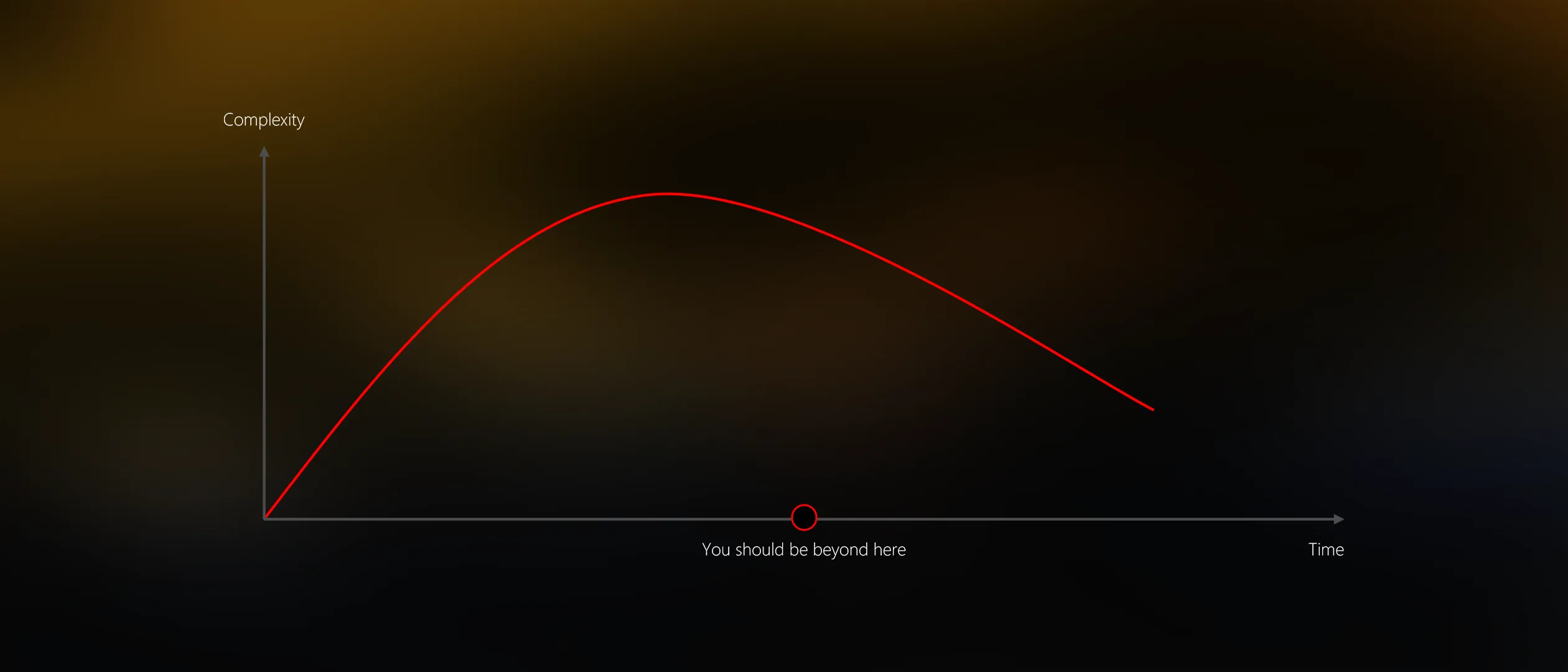
These are some of my favorite techniques that have helped me engage my audience, build stage presence, and deliver talks people remember - give them a try and see how they work for you:
- Stage Presence Matters: How a speaker moves, stands, or even pauses can be as impactful as their words.
- PowerPoint Should Not Steal the Show: Slides are there to support, not distract from, your message. The best speakers use them sparingly and creatively.
- Technique is Trainable: No one is born a perfect speaker. Every gesture, pause, and punchline is something you can practice and refine.
- Absorbing is Good, Analyzing is Better: Watch great talks for enjoyment - but watch them again for the techniques you can use yourself.
- Pick Topics You Love or That Make You Laugh: Passion and humor are contagious. If you care about the message or find it hilarious, your audience probably will too.
- Named Characters Create Connection: Giving a name to a fictive person in your talk bridges the gap between speaker and listener. It invites your audience to see themselves - or their colleagues - in the story, making your message stick.
The Impact of Black Slides. An unexpected lesson I picked up along the way was the power of using black slides instead of traditional white backgrounds. Starting a movement to embrace black slides might sound simple, but it is one of the most underrated techniques I have discovered. The shift creates a dramatic visual impact, helps your message stand out, and keeps the audience’s attention focused on what matters most.
Image viewer
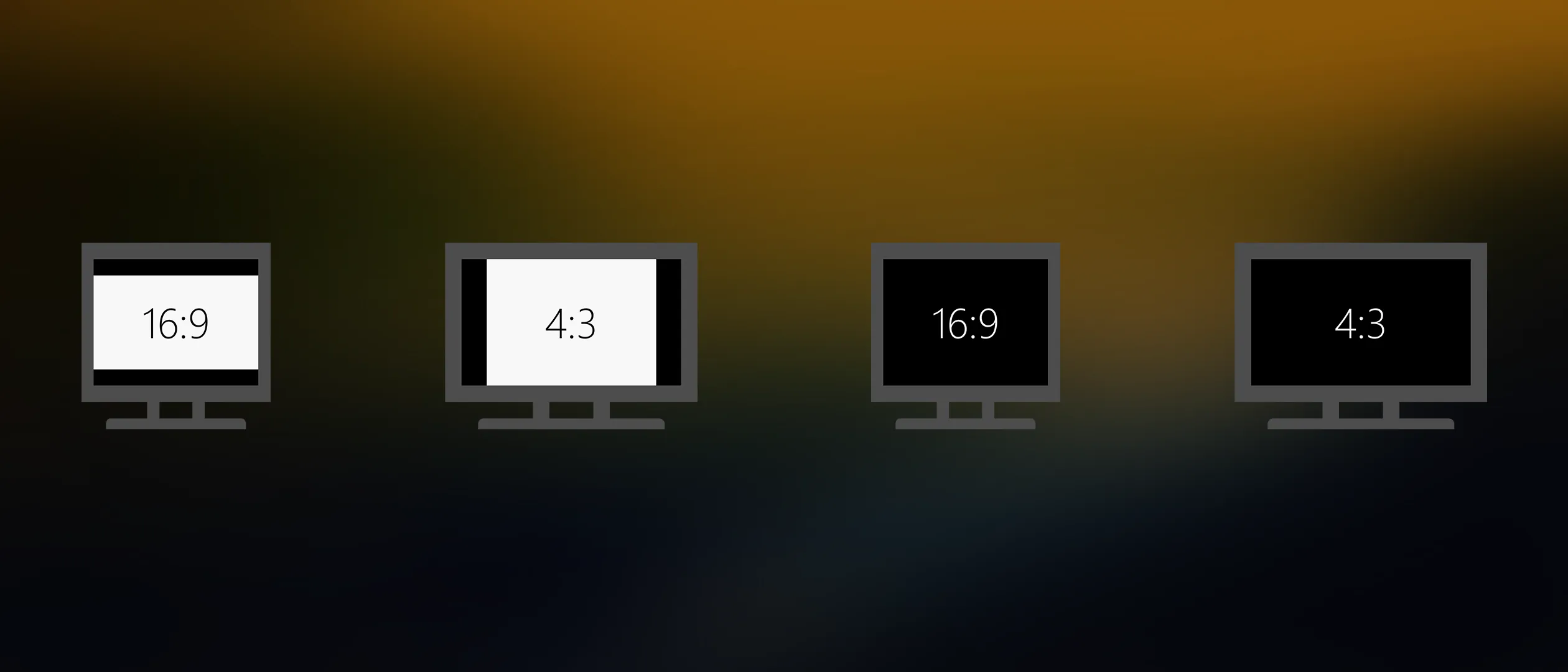
There is also a practical bonus in the era of screen size overflow: black slides look great on any display, regardless of aspect ratio. When your slide does not perfectly match the screen, those inevitable side bars blend seamlessly into a black background - whereas white slides make mismatched dimensions painfully obvious. I encourage everyone to give it a try - it is a small change with surprisingly powerful effect.
My favorite talks and videos
If you are looking to start your own journey, here are some of the videos and talks that inspired me the most. Beyond the technical aspects, I discovered that what drew me in were talks on topics I was passionate about - or those that made me genuinely laugh out loud. It is so much easier to learn when you are enjoying yourself, and it turns out you remember more too.
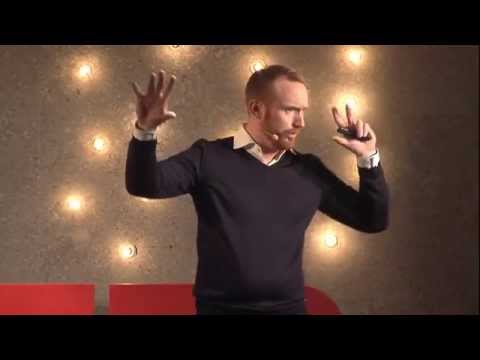
With his knowledge and passion for the subject, David Phillips is the figurehead in the art of presentations. This video is a must watch to to shape your presentation skills.
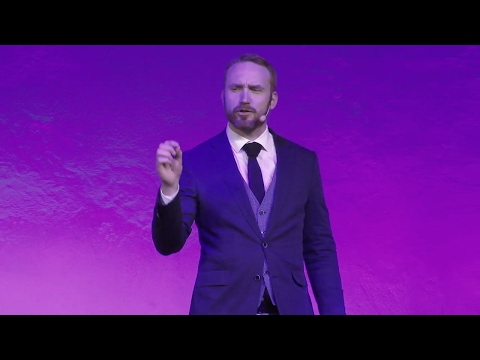
Why is Storytelling so powerful? A fascinating look at the science behind storytelling, and a must-watch if you want to understand functional storytelling.
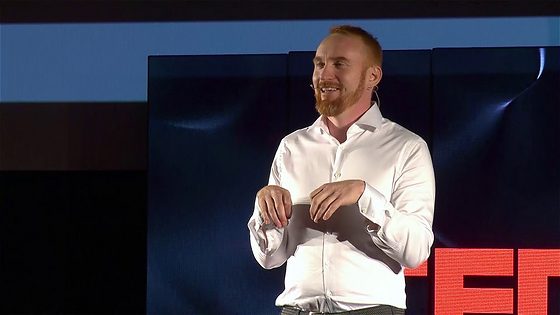
David JP Phillips spent 7 years studying 5000 speakers, to detail every skill you need. A must-watch for anyone who wants to improve their communication skills.

Don McMillan was an engineer in his former life, and he shares his unique perspectives on the pitfalls of bad presentations - a must-watch for anyone who presents.
If you have got a presentation to give at work or school - I recommend these talks to help get you pumped up

From the "I have a dream" speech to Steve Jobs' iPhone launch, many great talks have a common structure. A fantastic talk on how to structure presentations for maximum impact.
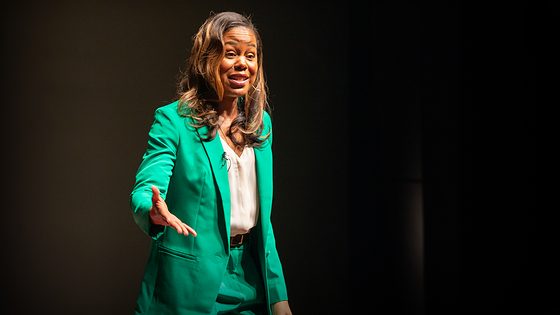
Storytelling is one of the most powerful marketing and leadership tools there is. A great talk on how to use storytelling to drive meaningful action.
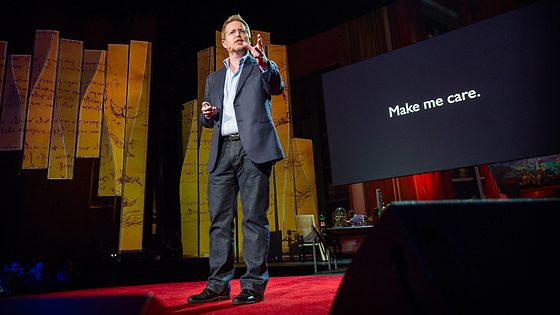
Filmmaker Andrew Stanton (Toy Story, WALL-E) shares his knowledge on storytelling. A must-watch for anyone interested in storytelling and narrative techniques.

Andrea Gibbs shares her insights on the power of storytelling and how it can be used to inspire and engage audiences. A must-watch for anyone interested in storytelling and communication.

How to rock the stage is a fantastic talk on public speaking and presentation skills you can master, packed with practical tips and insights.

Want to learn how to be a good presenter? James Whittaker teaches The Art of Stage Presence - a must-watch for anyone who presents.
Want to learn how to be a good storyteller? James Whittaker teaches The Art of Storytelling - a must-watch for anyone who presents.

Creativity is the one universal ingredient of success. James Whittaker shows you how to develop your creative mind. A must-watch, to supercharge your creativity!
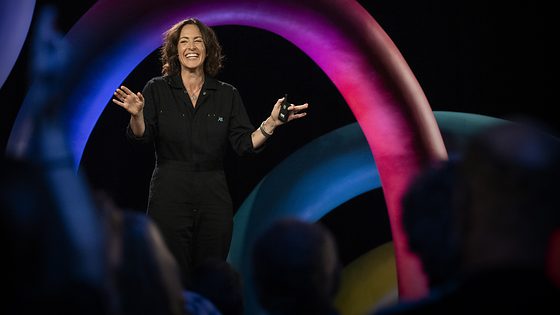
Wendy MacNaughton delivers an insightful talk on how to slow down and look at the world around you. Watch and learn some of the best stagecraft available!
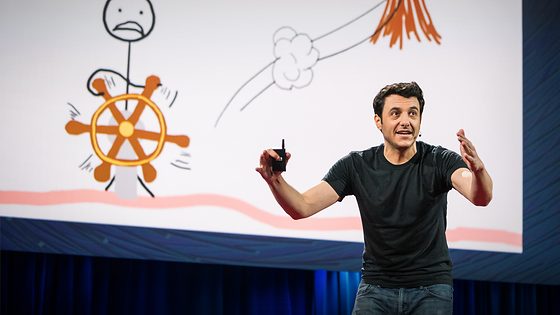
Tim Urban takes us on a hilarious journey through YouTube binges, Wikipedia rabbit holes and bouts of staring out the window - a masterclass in stagecraft!
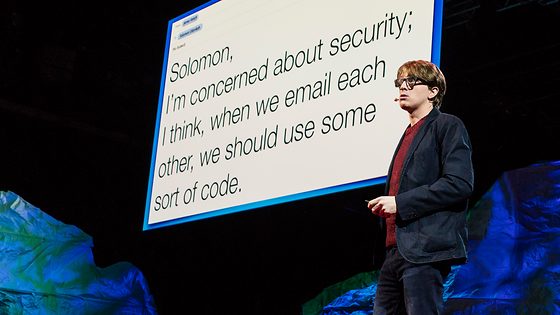
Follow along as writer and comedian James Veitch narrates a hilarious, weeks-long exchange with a spammer. Hilarious take on the absurdity of spam emails.

James Veitch takes on his journey through his frustration with spam. A hilarious exploration of email scams and human behavior.
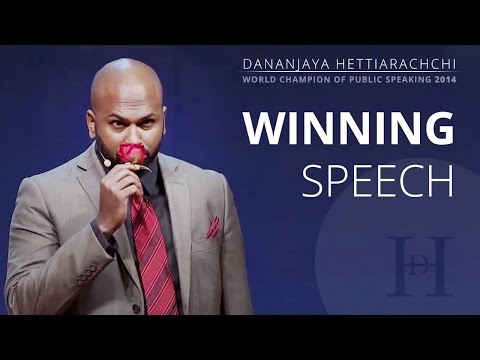
Dananjaya Hettiarachchi's winning speech at the 2014 World Championship of Public Speaking, is a masterclass in storytelling and stagecraft. A must-watch!

OK Go is a band known for their creative and visually stunning music videos. In this talk, they share their insights on how to find a wonderful idea and turn it into a reality. A must-watch for anyone looking to spark their creativity and bring their ideas to life.
Getting started
Jumping into the world of storytelling is easier than you might think. All it takes is a simple internet search – Use some of my favorite videos and talks or simple head over to YouTube and type in storytelling or even the art of storytelling in the search bar.
If you are like me and often find yourself in meetings, I always feel more energized and connected when I stand during meetings, and I have found meetings are a fantastic platform for rehearsing your speaking skills with a smaller audience.
You will find countless videos, talks, and tutorials that break down the techniques and magic behind engaging stories. Remember, storytelling is both an art and a craft, so do not hesitate to watch a variety of examples and discover what resonates with you. With just a few clicks, you will be well on your way to mastering the fundamentals and finding your own unique style.
Watch, analyze, and enjoy
Watching, analyzing, and enjoying great talks is one of the best ways to grow as a speaker. For fellow introverts or anyone nervous about public speaking, let me say this: learning does not have to be boring or intimidating. Whether you are analyzing a masterclass in storytelling, picking up the art of naming a fictive character, or just laughing at a clever TED Talk, you are absorbing skills that will serve you on any stage.
The more you watch, the more you learn - and the more confident you become. So hit play, study what works, and do not be afraid to press rewind.
A Friendly Warning
I must share a little warning: once you start diving into these areas and skills, you will probably never look at a presentation the same way again. But in my experience, that is a wonderful thing!Happy exploring.
–Jesper
Header image attribution: Image created with help from Adobe Firefly